AI • IoT • ROBOTICS - Transformative investments in the connected industry
IoT Investment, Warum jetzt? Die Treiber des Wachstums Der IoT-Markt befindet sich an einem entscheidenden Wendepunkt. Die Kombination aus flächendeckender Konnektivität (5G), leistungsfähigem Edge Computing und fortschrittlicher Künstlicher Intelligenz ermöglicht es erstmals, die riesigen Datenmengen vernetzter Geräte nicht nur zu sammeln, sondern in Echtzeit wertschöpfend zu nutzen. Wir investieren in Startups, die diese Technologiekonvergenz nutzen, um von reiner Hardware zu hochskalierbaren, datengetriebenen Geschäftsmodellen („IoT as a Service“) überzugehen.
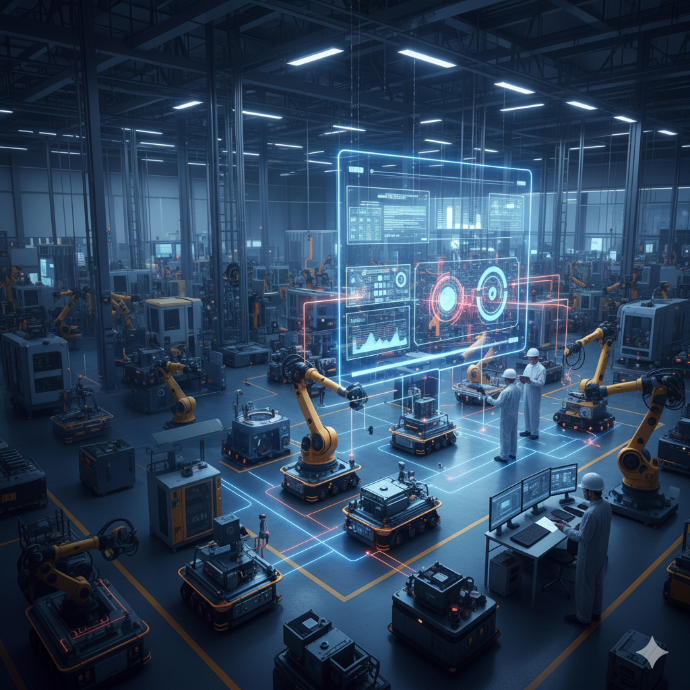
Industrie & Fertigung (Industrial IoT - IIoT)
Here, the maturity level is often the highest, driven by measurable ROI (Return on Investment) through efficiency gains.
Predictive Maintenance:Sensors monitor vibrations, temperature, or sounds from machines to predict failures before they occur.
Asset Tracking & Management:Real-time localization of tools, vehicles (forklifts), or mobile machines on the factory floor.
Quality Control:Connected cameras and sensors monitor production parameters in real-time to immediately detect defects.
Digital Twins:Digital replicas of physical assets that are fed real-time data to conduct simulations and optimize processes.
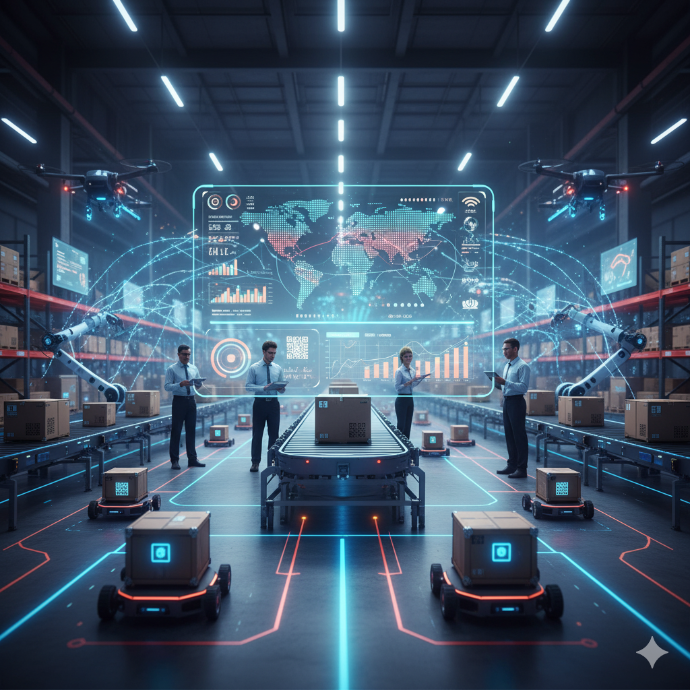
Logistics & Supply Chain
IoT provides the necessary transparency in complex supply chains.
Fleet Management (Telematics):Monitoring vehicle locations, fuel consumption, driver behavior, and compliance with rest periods.
Condition Monitoring:Monitoring of cold chains (temperature, humidity) for food or pharmaceuticals during transport.
Warehouse Management:Use of connected shelves or drones for automated inventory and stock monitoring.
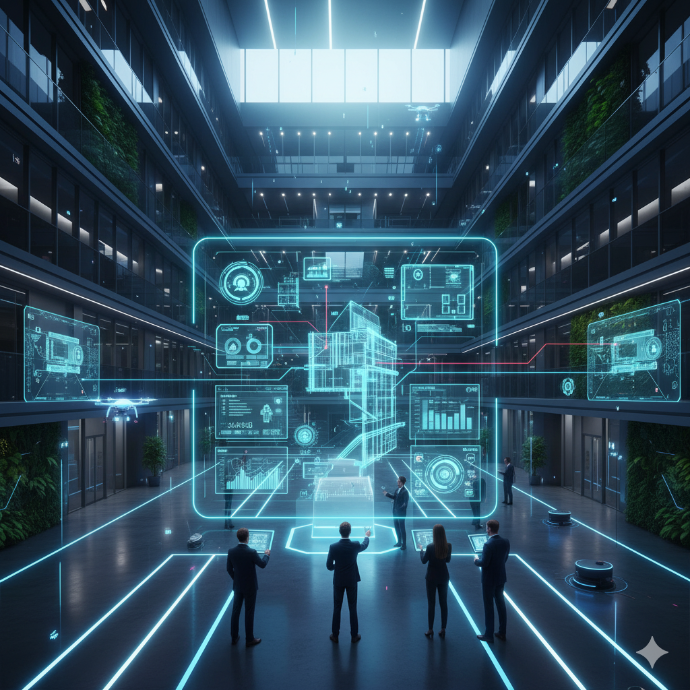
Smart Buildings & Cities
Focus on energy efficiency, safety, and comfort.
Energy Management:Smart thermostats and lighting systems (HCL - Human Centric Lighting) that automatically adjust to occupancy and daylight.
Smart Metering:Remote reading of electricity, water, and gas meters for more accurate billing and grid control.
Parking Management:Ground sensors detect available parking spaces and direct drivers to them via an app.
Waste Management:Trash bins that report their fill level so they are emptied only when needed (optimized route planning for waste collectors).
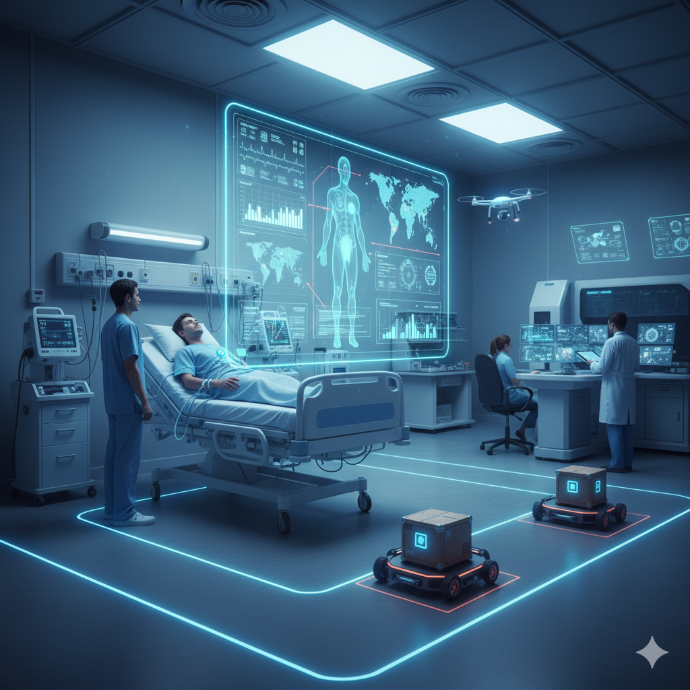
Healthcare
(Internet of Medical Things - IoMT)
Increasingly critical for relieving nursing staff and improving patient outcomes.
Remote Patient Monitoring:Wearables measure vital signs (blood pressure, glucose, heart rate) of chronically ill patients at home and alert doctors to critical values.
Asset Tracking in Hospitals:Quickly locating expensive mobile devices (e.g., mobile X-ray machines, infusion pumps) and monitoring bed capacities.
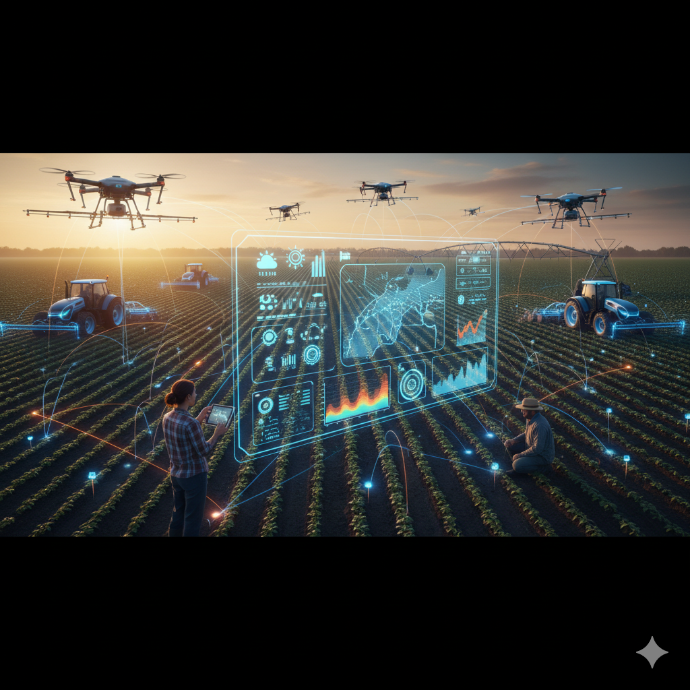
Agriculture
(Smart Farming)
Enables more precise resource utilization.
Precision Farming:Soil sensors measure moisture and nutrient content to control irrigation and fertilization accurately and automatically.
Livestock Monitoring:Collars or ear tags monitor the health, movement, and mating behavior of livestock.
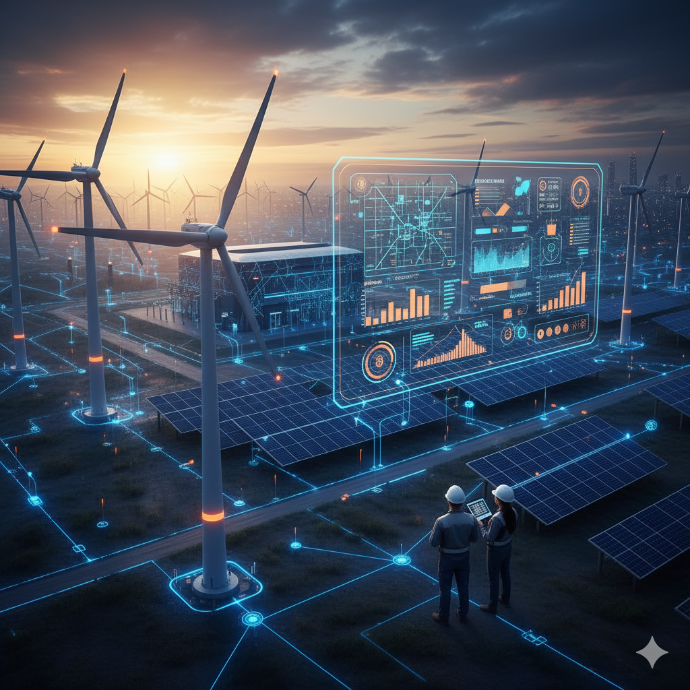
Energy & Providers
Essential for the energy transition and decentralized networks.
Smart Grids:Connecting decentralized producers (solar panels, wind turbines) and consumers to keep the power grid stable.
Remote maintenance of systems:Monitoring wind turbines or solar parks in remote locations to minimize service interventions.